
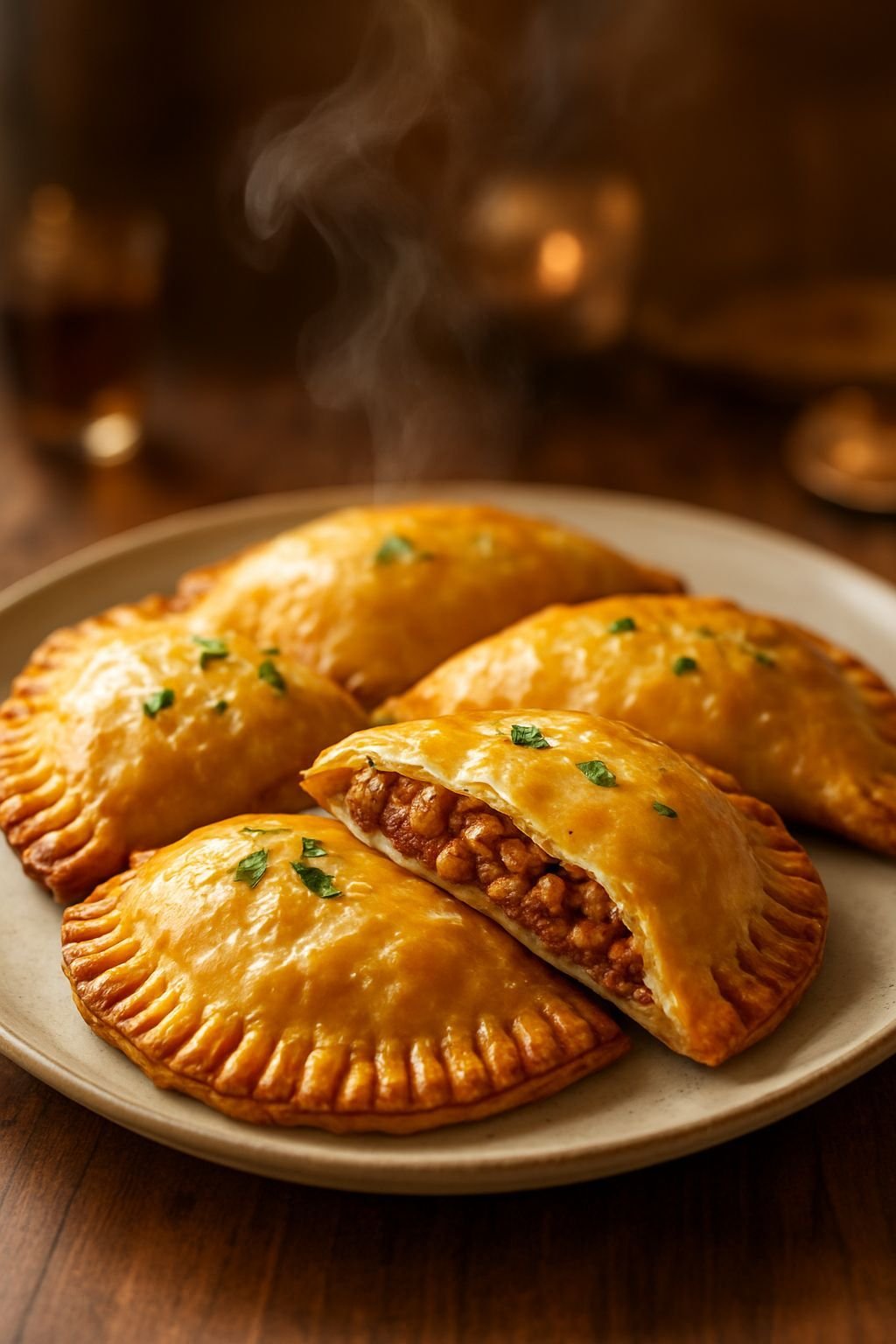
Want restaurant-quality beef and cheese empanadas without the drive-through line? Cooking this classic at home gives you total control over flavor, freshness, and ingredients — so you can make them as savory, spicy, or family-friendly as you like. Below you’ll find a complete, kitchen-tested guide: ingredients, tools, timing, step-by-step instructions with chef tips, nutrition and cost notes, variations, troubleshooting, storage advice, and quick FAQs.
Essential Ingredients
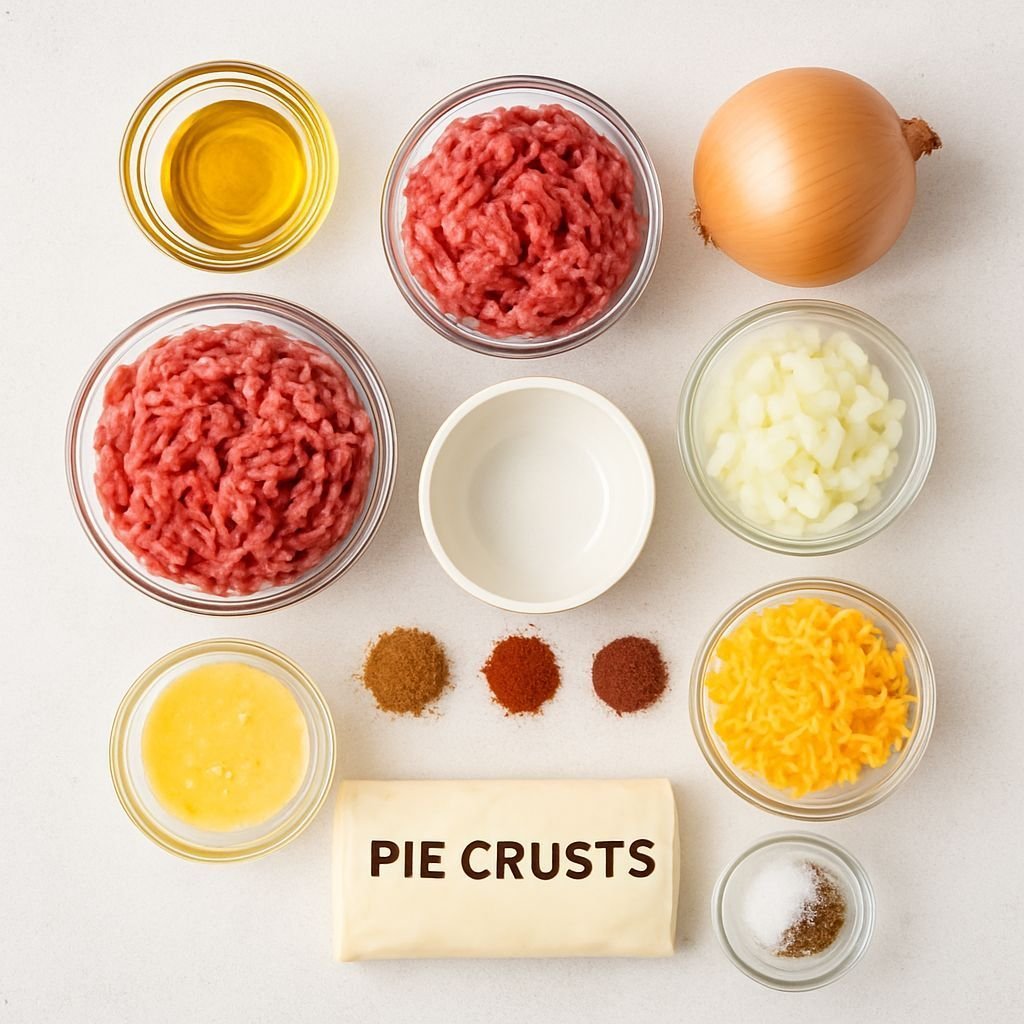
Start with pantry staples and a small number of fresh ingredients. This recipe makes a batch suitable for sharing or freezing for easy meals later.
- 1 tablespoon olive oil
- 1 lb (approx. 450 g) ground beef (80/20 or leaner depending on preference)
- 1 small onion, finely chopped (about 3/4 cup)
- 2 cloves garlic, minced
- 1 teaspoon ground cumin
- 1 teaspoon paprika (smoked paprika for a smokier flavor)
- 1/2 teaspoon chili powder (adjust for heat)
- Salt and pepper to taste
- 1 cup shredded cheddar cheese (approximately 113 g)
- 1 package (14 oz / ~396 g) refrigerated pie crusts (typically 2 crusts in a package)
- 1 egg, beaten (for egg wash)
Optional Add-Ins and Substitutions
- Ground turkey or chicken (for a leaner empanada)
- Ground beef with lower fat (90/10) — reduce oil and/or drain well
- Pepper jack, mozzarella, queso fresco, or a blend instead of cheddar
- Diced bell pepper, chopped green olives, or a spoonful of tomato salsa stirred into the filling
- 1 tablespoon tomato paste or 1/4 cup canned diced tomatoes (drained) for added moisture and umami
- Smoked paprika, cayenne, or a pinch of cinnamon or allspice for a Latin twist
- Gluten-free pie crusts or empanada discs for gluten-free diets
- Vegan: plant-based ground meat and vegan cheese and egg substitute for wash
Necessary Kitchen Tools
- Large skillet (10–12 inches) — preferably nonstick or stainless steel
- Spoon or spatula for breaking up meat
- Mixing bowl
- Round cutter (4–5 inch) or a small bowl to cut crust discs; a knife works too
- Baking sheet lined with parchment paper
- Fork for crimping edges or a small pastry wheel
- Small bowl and pastry brush for egg wash
- Measuring spoons and cup
- Cooling rack
Timing: Prep, Cook, Total
Good timing helps you plan around busy schedules. The following estimates assume you assemble 12 medium empanadas.
- Prep time (chop onions, mince garlic, shred cheese, and assemble crust discs): 15–20 minutes
- Cooking time (brown beef, cool slightly, assemble, bake): 25–30 minutes
- Total time: 40–50 minutes
If you plan to make filling ahead or freeze empanadas, add make-ahead time for cooling and freezing: 30–60 minutes extra for hand-freezing steps.
Yield
This recipe yields approximately 10–14 medium empanadas depending on how large you make each disc. If you need a precise count, use a 4-inch cutter for consistent portions and expect around 12 empanadas.
Step-by-Step Cooking Instructions (with Chef Tips)
Follow these steps closely for consistent results, and read the chef tips after each major step to avoid common pitfalls.
1) Prepare the Filling
- Heat 1 tablespoon olive oil in a large skillet over medium-high heat until shimmering.
- Add the finely chopped onion and sauté until softened and translucent, about 3–4 minutes. Chef tip: don’t brown the onion too much here—soft and sweet is the goal so it blends with the beef.
- Add the minced garlic and cook for 1–2 minutes until fragrant. Stir continually to prevent burning.
- Add 1 lb ground beef to the skillet. Break it up with your spatula and cook until fully browned, about 6–8 minutes. Chef tip: if using fattier beef (80/20), spoon off excess fat mid-cook or drain through a fine sieve to prevent greasy filling and soggy empanadas.
- Stir in 1 teaspoon ground cumin, 1 teaspoon paprika, 1/2 teaspoon chili powder, and salt and pepper to taste. Cook another 2–3 minutes to let the spices bloom and meld. Chef tip: blooming spices in the hot pan enhances aroma and depth — don’t skip this.
- Remove pan from heat and allow mixture to cool for 5–8 minutes so the filling won’t melt the cheese immediately when combined.
- Stir in 1 cup shredded cheddar cheese while the mixture is still warm but not piping hot so the cheese becomes melty and cohesive.
2) Prepare the Dough / Crusts
- Preheat oven to 375°F (190°C). Line a baking sheet with parchment paper.
- Unroll refrigerated pie crusts and separate them. Lightly flour your work surface if crusts are sticky.
- Using a 4-inch round cutter (or an inverted small bowl or cup), cut discs from the crusts. Save scraps, re-roll once, and cut additional discs. Chef tip: don’t overwork the dough—re-rolling too many times makes crusts tougher. If the dough gets warm, chill for 10–15 minutes.
3) Assemble the Empanadas
- Place a disc on your work surface. Spoon ~2 tablespoons of filling onto the center of each disc (adjust volume for disc size). Chef tip: less is more — overfilling leads to bursting while baking.
- Fold the disc in half over the filling to make a half-moon shape. Press the edges to seal. Use a fork to crimp edges or fold and pleat the crust for a traditional look.
- Place assembled empanadas on the prepared baking sheet about 1 inch apart.
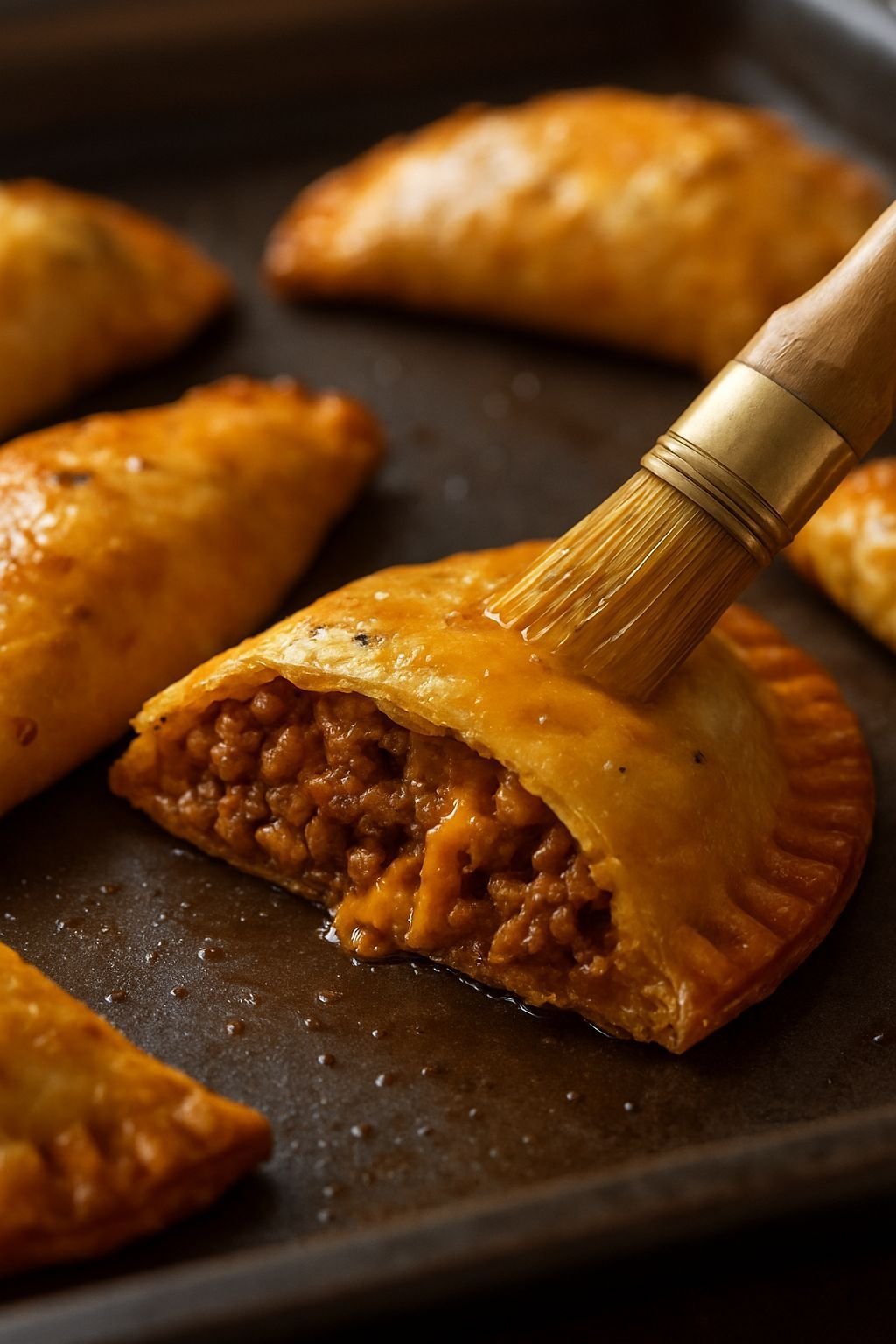
- Beat 1 egg in a small bowl; brush each empanada lightly with egg wash. This gives a glossy, golden finish. Optional: sprinkle a pinch of coarse salt or sesame seeds on top for texture and visual appeal.
4) Bake
- Bake in the preheated oven at 375°F (190°C) for 18–22 minutes or until crusts are golden brown and filling is hot. Rotate the sheet halfway for even browning. Chef tip: bake on the middle rack and avoid overcrowding; hot air circulation is key to a crisp crust.
- Remove from oven and transfer to a cooling rack for 5 minutes before serving — this helps the filling settle and prevents burns from oozing cheese.
Alternative Cooking Methods (Brief)
- Air Fryer: Preheat to 360°F (182°C). Place empanadas in a single layer and air-fry for 8–12 minutes until golden. Flip at 6 minutes for even color.
- Pan-fried (Empanadas Fritas): Fry in 1/2 inch oil at medium-high heat for 2–3 minutes per side until deep golden. Drain on paper towels. This produces a crisp, rich empanada more like Latin American street style.
Chef and Pro Tips for Best Results
- Cool the filling slightly before adding cheese and assembling — this prevents the cheese from melting into a greasy puddle and helps the empanada keep shape.
- Use a light hand with salt in the filling; the cheese and crust already contribute sodium. Taste a small spoonful of filling to adjust seasoning.
- If crusts are sticky or tearing, chill them for 10–15 minutes. Cold dough handles more cleanly and produces flakier results.
- For crisp bottoms, preheat the baking sheet in the oven for 5 minutes before placing empanadas on it; cold sheets slow baking and can produce soggier bottoms.
- Use an egg wash for glossy, golden color. For a dairy-free eggless wash, brush with melted butter or olive oil and expect slightly less sheen.
Nutritional Benefits, Health Advantages & Cost Savings
Making empanadas at home is not just about flavor — it can be a smarter choice for nutrition and budget than many prepared options.
Nutritional highlights
Below are approximate, conservative nutritional observations — actual values vary by ingredients and portion sizes. For precise counts, paste your exact ingredient labels into a nutrition calculator.
- Protein: The ground beef and cheese supply a solid protein boost — roughly 15–20 g protein per empanada (estimate for a medium-sized portion) which supports satiety and muscle repair.
- Iron & B12: Beef is a good source of heme iron and vitamin B12 — important for energy and blood health.
- Calcium: Cheese provides calcium and phosphorus for bone health (and flavor).
- Healthy fats: Using a modest amount of olive oil and opting for leaner ground meat keeps saturated fat moderate; consider leaner ground meats for a heart-healthier version.
- Controlled ingredients: You control the salt, fat level, and additives — no hidden preservatives or excess sodium common in many frozen or fast-food empanadas.
Cost savings
Cost varies by location and ingredient choices. As a guideline:
- Buying a pound of ground beef and a block or bag of shredded cheese typically costs less per serving than pre-made empanadas from restaurants.
- Estimated cost per homemade empanada: $0.70–$1.20 depending on protein choice and local prices — often 30–60% cheaper than store-bought or restaurant options.
- Making a large batch and freezing leftovers maximizes savings and reduces future meal prep time.
Variations & Dietary Alternatives
Use this recipe as a base to adapt to many cuisines and dietary needs.
Protein & Flavor Variations
- Ground chicken or turkey: Use the same spice profile; add a teaspoon of soy sauce or Worcestershire for depth.
- Spicy beef: Add 1/2 teaspoon cayenne or chopped jalapeño and swap cheddar for pepper jack.
- Vegetarian: Crumble tempeh or use cooked lentils with sautéed mushrooms and paprika for umami. Mix in shredded cheese or plant-based cheese.
- Chorizo & potatoes: Swap ground beef for chorizo and add small diced, cooked potatoes for a Spanish-style filling.
Crust Alternatives
- Homemade empanada dough: Flour, butter (or lard), salt, and cold water — for a flakier, hands-on approach.
- Store-bought biscuit dough for a softer texture.
- Thin pizza dough for a chewier empanada; increases yield if stretched thin.
- Gluten-free pie crusts: use certified gluten-free dough for celiac-friendly empanadas.
Cooking Method Alternatives
- Air fryer: crisp results without using much oil — excellent for quick reheat too.
- Pan-fry: traditional Latin empanadas often are fried; this yields a richer crust and satisfying crispness.
- Grill: grill assembled empanadas in a covered grill over indirect heat for a smoky flavor, flipping once.
Common Mistakes and How to Avoid Them
Here are the typical errors cooks make and specific fixes.
- Overfilling the empanada: Problem — filling leaks or empanada bursts during baking. Fix — use measured scoops (~2 tablespoons), chill filling slightly, and crimp edges well.
- Soggy bottoms: Problem — filling too wet or baking on cold pan. Fix — drain excess fat from meat, avoid watery fillers, and preheat the baking sheet.
- Crust tears when folding: Problem — dough too warm or overworked. Fix — chill dough briefly and handle gently.
- Underseasoned filling: Problem — bland empanadas. Fix — taste a small amount of filling before assembling (careful, it will be hot) and adjust salt and spices.
- Burned top with raw dough inside: Problem — oven too hot or empanada too large. Fix — check oven temperature with a thermometer; choose consistent disc sizes and rotate pan during baking.
Storage, Reheating & Make-Ahead Tips
Short-term storage (refrigerator)
- Cool completely before storing. Place empanadas in an airtight container with a paper towel layer to absorb moisture.
- Refrigerate for up to 3–4 days.
Freezing (best for batch cooking)
- Assemble empanadas and place them in a single layer on a baking sheet. Freeze until firm (1–2 hours) to prevent sticking.
- Transfer frozen empanadas to a resealable freezer bag or airtight container. Label with date. Freeze for up to 2–3 months for best quality.
- To bake from frozen: no need to thaw; increase baking time by 8–12 minutes and tent with foil if browning too quickly. From thawed: bake as directed but check internal temperature reaches 165°F (74°C).
Reheating for best texture
- Oven (recommended): Preheat to 350°F (175°C). Bake 8–12 minutes (from refrigerated) or 12–18 minutes (from frozen) until heated through and crisp.
- Air fryer: 350–360°F for 6–10 minutes (flip halfway).
- Microwave (quick): 60–90 seconds — expect a softer, less crisp crust. For best results, microwave briefly then crisp in a hot skillet or air fryer for 1–2 minutes.
Make-ahead options
- Make filling a day ahead and refrigerate; assemble just before baking for faster prep.
- Assemble and freeze raw empanadas on a tray, then bag them for later baking — a great time-saver for quick dinners or snacks.
Serving Suggestions
- Serve with chimichurri, salsa verde, or a simple tomato salsa for bright contrast.
- Offer pickled red onions, sliced avocado, or a yogurt-based dipping sauce (garlic-lime yogurt) for cooling balance.
- Pair with a crisp salad or roasted vegetables to complete the meal.
Troubleshooting Quick Reference
- Filling too greasy: drain and blot with paper towels before assembling.
- Empanadas falling apart: add an extra 1–2 teaspoons of shredded cheese or a dab of egg white at the seam to glue it, and crimp edges tightly.
- Crust not browning: ensure egg wash is applied and oven temperature is accurate; use convection if you have it for even browning.
Final Thoughts and Encouragement
Homemade beef and cheese empanadas are a versatile, satisfying project that elevates weeknight dinners and becomes a crowd-pleaser at gatherings. With small investments in technique — cooling the filling, crimping correctly, and using an egg wash — you can achieve flaky, golden empanadas that beat many takeout versions in taste and nutrition. Batch-cook and freeze extras to give yourself a quick, cost-effective meal option for busy days.
Try this recipe once, then experiment with fillings, spices, and cooking methods to make it your own. Share photos, your favorite variations, or questions — community feedback is a great way to refine what works best for your kitchen and taste preferences.
Frequently Asked Questions (Concise)
- How many empanadas does this recipe make? Approximately 10–14 medium empanadas when using a 4-inch cutter; yield varies by disc size.
- Can I use store-bought ground beef with higher fat? Yes, but brown and then drain excess fat to avoid soggy empanadas. Consider blotting the filling with paper towels if needed.
- What’s the best way to freeze empanadas? Freeze assembled empanadas on a tray until firm (1–2 hours), then transfer to a labeled freezer bag. Bake from frozen, adding 8–12 minutes to baking time.
- Can I make these without an oven? Yes — use an air fryer (360°F for 8–12 minutes) or pan-fry in about 1/2 inch oil for 2–3 minutes per side for a traditional fried empanada.
- How can I prevent the filling from making the crust soggy? Cool the filling slightly, drain excess grease, avoid watery ingredients, and preheat the baking sheet for a crisper bottom.